Understanding Vocation, Career, Profession, and Purpose: Choosing the Right Path for Your Future
When planning your professional life, it’s essential to understand the differences between vocation, career, profession, and purpose. These terms are often used interchangeably, but each carries distinct meanings and implications. Recognizing these differences can help you make informed decisions about your future, align your work with your values, and find long-term fulfillment.
A vocation typically refers to a calling or a deep sense of purpose that drives someone toward a particular type of work. It often relates to personal passion and intrinsic motivation. In contrast, a career is a broader term that encompasses the jobs and roles someone holds over time, often within a specific industry or field. A profession is more formal, usually requiring specialized education, training, and adherence to ethical standards. Lastly, purpose reflects the underlying reason behind your work—why you do what you do and how it contributes to something larger than yourself.
How Vocation, Career, Profession, and Purpose Compare
While these concepts overlap, they serve different functions in shaping your professional identity. Vocation is often emotionally driven, while career is more about progression and development. Profession relates to qualifications and industry standards, whereas purpose is about meaning and impact. Understanding these distinctions can help clarify your goals and guide your decision-making process.
- Vocation: Often tied to personal passion and calling.
- Career: Focuses on job progression and long-term development.
- Profession: Involves formal training, certifications, and industry norms.
- Purpose: Reflects the deeper meaning and impact behind your work.
For example, someone may feel a strong vocation toward teaching, pursue a career in education, become a certified professional educator, and find their purpose in empowering students to reach their full potential. These elements can align perfectly, but they don’t always. Sometimes, a person may choose a profession for financial stability even if it doesn’t fully align with their vocation or sense of purpose.
Strengths and Tradeoffs of Each Path
Each approach to professional life comes with its own set of advantages and limitations. Vocational paths often provide deep personal satisfaction but may not always offer financial security. Careers can provide structure and advancement opportunities but may require compromises in terms of job satisfaction. Professions tend to offer stability and respectability but often require significant investment in education and training. Purpose-driven work can be deeply rewarding but may be harder to define or monetize.
Consider the following tradeoffs:
- Vocation: High personal fulfillment but potentially lower income or job security.
- Career: Offers growth and stability but may lack emotional connection.
- Profession: Provides credibility and structure but requires formal training.
- Purpose: Drives long-term motivation but may be difficult to measure or achieve.
It’s also important to note that these paths can evolve over time. A career can become a profession with additional training. A vocation can develop into a purpose-driven profession. The key is to remain flexible and open to change as your priorities and circumstances shift.
When Vocation, Career, Profession, and Purpose Align
When these four elements align, the result can be a deeply satisfying and sustainable professional life. However, alignment doesn’t happen automatically. It requires self-reflection, strategic planning, and sometimes difficult choices. For instance, someone who feels called to environmental advocacy (vocation) might pursue a career in sustainability, become a certified environmental scientist (profession), and find their purpose in fighting climate change.
Realistic examples show that alignment often requires compromise. A person might take a well-paying job in finance (career) while maintaining a side passion project in photography (vocation). Over time, they may transition into a full-time photographer (profession) once financial stability allows, aligning their work with their purpose.
When to Consider Alternatives
There are situations where focusing on just one or two of these elements makes more sense. For example, someone entering the workforce for the first time may prioritize career opportunities over vocation to build experience and financial stability. Others may choose a profession based on demand and job security rather than personal calling. And not everyone has a clearly defined purpose from the start—some discover it through trial and experience.
Additionally, external factors like economic conditions, family responsibilities, or geographic limitations can influence which path is most feasible. It’s important to evaluate your current circumstances and long-term goals before committing to a specific direction.
Practical Considerations for Decision-Making
When deciding between vocation, career, profession, and purpose, consider the following factors:
- Financial Needs: Can your chosen path support your lifestyle and obligations?
- Skills and Interests: Does the work align with your abilities and passions?
- Market Demand: Is there a need for your skills in the current job market?
- Long-Term Goals: How does your choice fit into your five- or ten-year vision?
- Educational Requirements: Are you willing and able to invest in additional training or certification?
It’s also helpful to seek advice from mentors, career counselors, or professionals already in the field. Their insights can provide valuable perspective and help you avoid common pitfalls.
Designing Your Professional Identity with Visual Tools
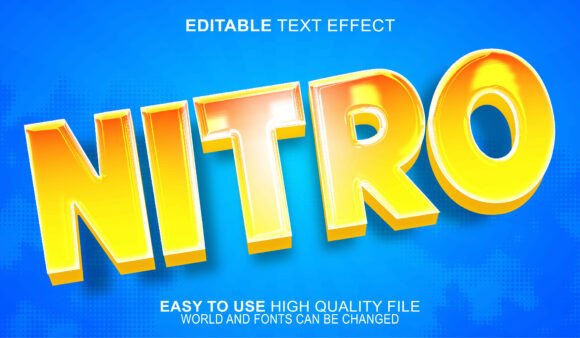
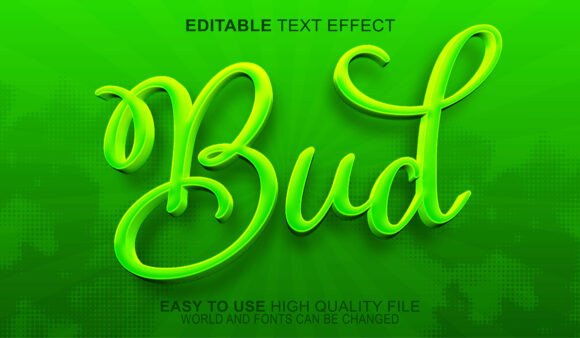
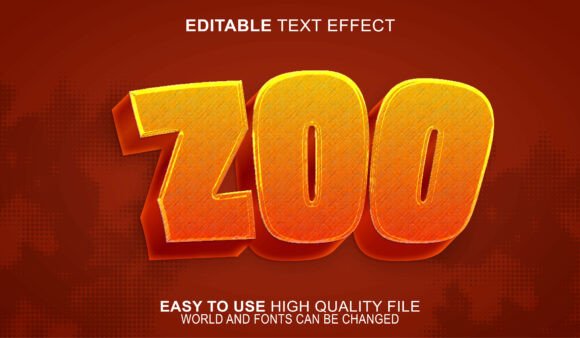
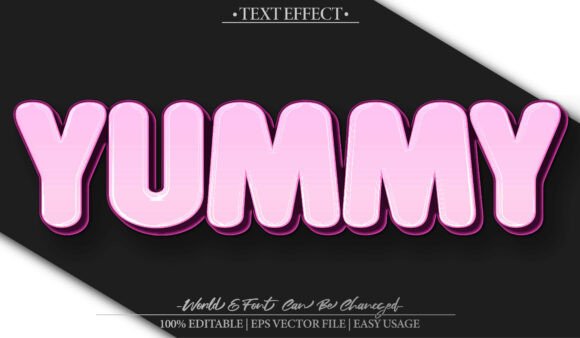
Once you’ve clarified your direction, presenting your work or brand effectively becomes essential. A high-quality 3D editable text effect for Adobe Illustrator can play a crucial role in creating visually compelling materials. Whether you're designing a logo, promotional poster, or social media banner, this resource offers flexibility and scalability without compromising quality.
This professional graphic resource is built in a fully scalable vector format, ensuring that your designs remain sharp and clear at any size. It’s particularly useful for creative professionals who need to produce high-impact visuals quickly and efficiently. The ability to customize text and colors in just a few clicks makes it a valuable tool for branding, marketing, and communication projects.
For those in creative fields—such as graphic design, advertising, or digital marketing—having access to such tools can enhance your ability to convey your vocation, career achievements, or professional identity visually. Whether you're launching a new brand or updating your portfolio, a well-designed text effect can make your work stand out and communicate your purpose more effectively.