District Area Region Zone Neighborhood: Practical Uses for Designers and Creators
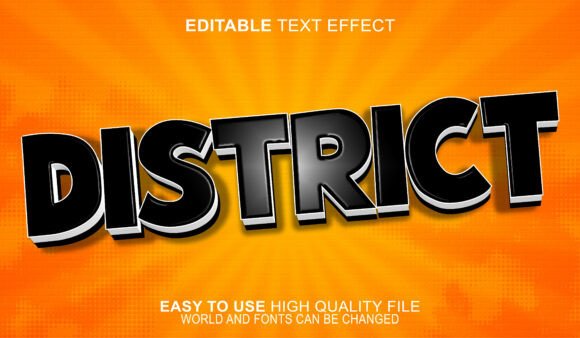
When it comes to visual design, having the right tools can make all the difference. One such tool that’s gaining traction among designers is the District Area Region Zone Neighborhood concept, especially when paired with high-quality 3D editable text effects for Adobe Illustrator. This combination allows for precise, scalable, and visually striking typography that can elevate everything from digital banners to print media.
What Exactly Is District Area Region Zone Neighborhood?
At its core, District Area Region Zone Neighborhood refers to a layered geographic or conceptual breakdown of space. Think of it like this: you might start with a broad region, narrow it down to a specific district, then focus on a zone within that district, and finally land on a particular neighborhood. In design, this framework helps organize information visually and spatially, making it easier to communicate complex ideas through graphics, maps, or branding materials.
How Designers Use This Framework Creatively
Graphic designers, especially those working on city branding, real estate visuals, or local business promotions, often use this structure to add clarity and depth to their work. For example, a local café might want to highlight its exact neighborhood within a larger city district. Using a layered visual approach with 3D editable text effects makes it easy to represent these levels clearly and attractively.
With Adobe Illustrator’s scalable vector format, you can create titles or logos that zoom in on each level without any loss of quality. This is especially useful when designing large posters or digital banners where clarity at any size matters.
Real-World Applications Across Industries
- Marketing: A boutique hotel might use the District Area Region Zone Neighborhood model to show guests how to navigate from the city region down to the exact neighborhood where the hotel is located — all in a single, elegant graphic.
- Education: Teachers creating geography lessons can use layered visuals to help students understand how large regions break down into smaller, more manageable sections. The 3D text effect adds visual interest that keeps students engaged.
- Real Estate: Property listings often include location breakdowns. A real estate agent can use this structure to visually guide potential buyers through different zones, making it easier to understand proximity and context.
- Urban Planning: City planners may use these layers to present development proposals to stakeholders. The use of scalable, editable text ensures that presentations remain clear and professional at any size.
Why This Matters for Everyday Designers
If you're a small business owner designing your own logo, or a blogger creating visuals for your latest post, understanding how to structure and present location-based information can make your work more effective. The District Area Region Zone Neighborhood concept gives you a ready-made framework, and the 3D editable text effect gives you the tools to make it visually compelling.
For example, imagine you're creating a social media post for a local event. You can use a bold, 3D-style headline that says “Downtown Festival” and then layer smaller text underneath showing the district, zone, and neighborhood. Because it's all vector-based, you can easily adjust colors or fonts to match your brand without any quality loss.
Customization Made Simple
One of the standout features of this resource is how easy it is to customize. You don’t need advanced design skills to swap out text or tweak colors. Whether you're working on a logo for a new neighborhood coffee shop or a banner for a regional conference, you can make quick edits that look polished and professional.
This is especially helpful for freelancers or educators who might not have time to create complex typography from scratch. The editable text effect works seamlessly within Adobe Illustrator, so you can focus on your message, not the mechanics of design.
Things to Consider Before Using This Resource
While the District Area Region Zone Neighborhood approach paired with 3D text effects is powerful, it’s not one-size-fits-all. Here are a few things to keep in mind before diving in:
- Know your audience: If you're designing for a general audience, avoid overcomplicating the layers. Sometimes a simple neighborhood name is more effective than listing all five levels.
- Keep it scalable: Make sure your design works at both large and small sizes. Vector-based text helps with this, but layout and spacing also play a role.
- Use color thoughtfully: Different layers can be color-coded for clarity, but too many colors can confuse the viewer. Stick to a cohesive palette that aligns with your brand or message.
- Test readability: Even the most beautiful 3D text is useless if it’s hard to read. Always preview your design on different screens and in different formats before finalizing.
Who Benefits the Most?
Anyone who needs to communicate location-based information clearly and attractively can benefit from this resource. Here’s a closer look at some key user groups:
- Small business owners: Perfect for branding materials that highlight a specific neighborhood or district.
- Bloggers and content creators: Ideal for visually organizing travel or lifestyle content.
- Event planners: Helps attendees understand where an event is located, especially in large cities or venues.
- Nonprofits and community groups: Useful for outreach materials that emphasize local impact.
Final Thoughts
The District Area Region Zone Neighborhood framework, when combined with a high-quality 3D editable text effect, offers a powerful way to structure and present location-based information. Whether you're designing a logo, creating a poster, or building a digital campaign, this resource gives you the flexibility and clarity you need to make your message stand out.
By focusing on real-world applications and user needs, you can make the most of this tool without getting lost in technical jargon or unnecessary complexity. The result? Designs that are not only visually striking but also clear, functional, and tailored to your audience’s expectations.